Monkey Smile: A Friendly Script Font for Editorial Design
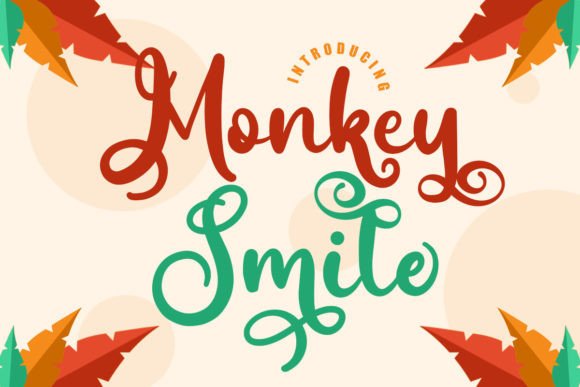
In the world of digital publishing and editorial design, the choice of typeface sets the immediate tone for your reader. It is the difference between a cold, corporate report and a warm, inviting guide that feels like a conversation with a friend. Monkey Smile, a fun and friendly handwritten script font from Script Amp, offers exactly that kind of approachable personality. For bloggers, magazine designers, and content creators looking to infuse their layouts with character without sacrificing professionalism, this typeface serves as a wonderful asset to any font library.
What makes Monkey Smile stand out in a crowded marketplace of creative fonts is its balance between whimsy and legibility. Many handwritten fonts struggle when scaled down or used in longer headings, often becoming illegible scribbles. However, Monkey Smile is neatly crafted and highly detailed, ensuring that every curve and stroke remains distinct. This attention to detail makes it an excellent choice for editorial design where clarity is just as important as style. Whether you are designing a cover for a lifestyle ebook or creating a header for a weekly newsletter, the font's organic flow draws the eye naturally.
Elevating Publication Branding and Visual Hierarchy
Building a recognizable brand identity requires consistency, and typography is a cornerstone of that visual language. When used strategically, Monkey Smile can become a signature element of your publication. Imagine a digital magazine focused on wellness or travel; using this script font for the masthead or issue titles instantly communicates a relaxed, human-centric vibe. It suggests that the content within is curated with care and intended to be enjoyed leisurely.
Beyond branding, this display font excels at establishing visual hierarchy. In long-form articles or guides, readers need signposts to navigate the content. While a clean sans serif font might work well for body copy to ensure maximum readability on screens, using Monkey Smile for section headings or chapter openers creates a delightful contrast. It breaks up the monotony of standard text blocks and signals a shift in tone or topic. This technique is particularly effective in printable guides and worksheets, where the goal is to make the material feel less like a test and more like a creative journey.
Practical Applications for Content Creators
The versatility of Monkey Smile allows it to shine across various mediums. Here is how you can integrate this modern typography into your workflow:
- Blog Headers and Quote Graphics: Use the font to highlight key takeaways or inspirational pull quotes within an article. Its friendly nature makes shared graphics on social media feel personal and engaging.
- Ebook Titles and Covers: For recipe collections, wedding planners, or coaching workbooks, a script font on the cover adds a touch of elegance and warmth that generic system fonts cannot match.
- Newsletter Branding: In paid newsletters or email campaigns, using Monkey Smile for the greeting or subject line preview can increase open rates by making the message feel like it came from a real person rather than an automated system.
- Printable Planners: When designing PDF exports for print, the high detail of the font ensures crisp edges, making it perfect for decorative elements in journals and planners.
It is important to consider where this font fits best in your layout. Monkey Smile is ideally suited for titles, subtitles, short captions, and accent typography. It is not designed for long paragraphs of body text. For sustained reading, especially on mobile devices, pairing it with a highly readable serif font or a neutral sans serif is the best practice. This combination leverages the personality of the script while maintaining the comfort required for deep reading.
Readability and Technical Considerations
When selecting a premium font for professional projects, technical performance is key. Monkey Smile performs well across different resolutions, which is crucial for responsive web design and high-DPI screens. However, designers should remain mindful of line height and letter spacing. Because it is a handwritten style, giving the characters enough breathing room prevents them from feeling cramped. In mobile layouts, ensure that heading sizes are large enough to be tapped and read easily without zooming.
For those working on international projects, it is always wise to check the specific glyph set included with the font. Many modern script fonts from foundries like Script Amp offer extensive multilingual support and a variety of alternates and ligatures. These features allow you to customize the look of words, avoiding repetitive letter shapes and adding a unique flair to logo design or custom headers. Exploring these alternates can help you create a truly bespoke look for your brand identity.
Pairing Strategies for Editorial Layouts
To get the most out of Monkey Smile, thoughtful font pairing is essential. The goal is to create harmony between the expressive script and the functional text. A classic approach involves pairing this creative font with a geometric sans serif for a modern, clean look. This works exceptionally well for tech blogs or minimalist design portfolios. Alternatively, pairing it with a traditional serif font can evoke a sense of heritage and trust, making it suitable for financial guides or historical narratives presented in a fresh way.
Consider the mood you wish to convey. If your content is energetic and youthful, bold sans serif caps alongside Monkey Smile can create a dynamic tension. If the tone is soft and nurturing, a light-weight serif with high x-height will complement the curves of the script beautifully. The key is to ensure that the secondary font does not compete for attention but rather supports the script as the star of the show.
Licensing and Commercial Use
As independent content brands and creators move toward monetization, understanding licensing becomes critical. Monkey Smile is a commercial font, meaning it is cleared for use in products you sell. This includes embedding the font in ebooks sold on platforms like Amazon Kindle or Gumroad, using it in templates for clients, or incorporating it into printed merchandise. Always review the specific license agreement provided by the foundry to ensure compliance, especially if you are creating items for resale such as invitation templates or branded stationery. Investing in a proper license protects your business and supports the type designers who craft these essential design assets.
Ultimately, adding Monkey Smile to your toolkit is about more than just aesthetics; it is about enhancing the reader experience. By choosing a typeface that feels human and inviting, you lower the barrier between your content and your audience. Whether you are laying out a quarterly magazine, designing a course workbook, or simply polishing your blog's header, this font provides the friendly touch that turns casual visitors into loyal readers. In an era where digital content can often feel sterile, a well-chosen handwritten font reminds us that there is a person behind the screen, sharing ideas with a smile.